City gathers feedback on Indigenous Reconciliation Strategy
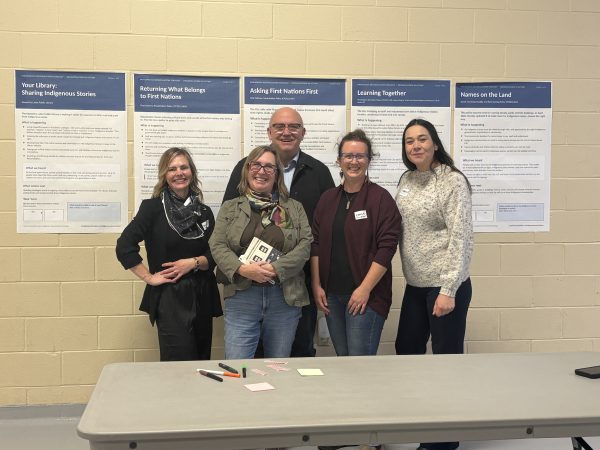
The city recently hosted its second open house to hear feedback for their Indigenous Reconciliation Strategy.
The strategy will build on existing city policies related to consultation, land acknowledgement, repatriation, and education, and move toward a clear, measurable plan that integrates reconciliation into governance, planning, economic development, procurement, communications, and community life.

Fluid Consulting and KLB Consulting are working in partnership with the city to lead the process.
The work being done is incorporating the calls to action that municipalities can incorporate as well as The United Nations Declaration on the Rights of Indigenous Peoples (UNDRIP).
UNDRIP sets out minimum standards for the survival, dignity, and well-being of Indigenous peoples around the world. Its goals are broad, but they centre on affirming Indigenous rights, correcting historical injustices, and guiding states toward respectful, rights-based relationships.
The city’s lands are situated within Treaty 20 and the 1923 Williams Treaties territories. The Williams Treaties First Nations, Alderville, Beausoleil, Curve Lake, Georgina Island, Hiawatha, Rama, and Mississaugas of Scugog Island, have longstanding and ongoing relationships with this territory. Kawartha Lakes is also home to Indigenous residents, including First Nations, Métis, and Inuit community members whose voices are essential to shaping this work.
“We’re doing interviews with them, one-on-one, asking specific questions about what their priorities are,” said Tabitha Curley, of Fluid Consulting. Curley said of the 93 calls to action, 30 have been identified as having significant municipal influence.
For example, child welfare can be contributed to by municipalities through local family supports, housing, poverty reduction, and social programs.
Municipalities can also work in partnership with Indigenous Nations on land, programs, and services, and municipal libraries and museums can review policies to ensure respectful, accurate representation of Indigenous materials.
Emily Turner, economic development officer, heritage planning for the city, said residents and city staff have been engaged during this process. “We’re looking at all the different areas of the city where we have done some reconciliation work, where we can do better, and areas that we haven’t even thought about to eventually get a great plan to build a better relationship with our Indigenous residents.”
During an open house in June, and responses from a community survey, residents commented that they couldn’t see what the city was doing towards reconciliation, and Indigenous residents said there are no local spaces that are just for them.
Out of 43 staff members, 34 of them asked for more training and education, citing that they want it to be local, ongoing, and practical.
Four members of council and five senior leaders, noted that they wanted to work toward reconciliation but weren’t sure where to start, and wanted to have the right supports in place. One member said in their survey response, “I think we want to engage, we just don’t know how to.”
“Reconciliation isn’t a document, it’s a relationship. Relationships are built by showing up, listening, and having honest conversations,” said Ward 3 Coun. Mike Perry, who is also Métis.
Perry said even having open houses with conversations about reconciliation gives him hope. “This strategy to help us all live in right relationship is being shaped by the people who live here, Indigenous and non-Indigenous alike. But hope is not a strategy. I will be looking for what has been heard to be turned into clear commitments, action, real accountability, and a city that keeps engaging with local Indigenous peoples and governments as equal parties.”
As for progress made, the city highlighted four areas where improvement has been made, and what next steps they’re taking.
When it comes to using Indigenous names, it must be talked through with, and approved by, the right Indigenous government, organization or community. As well, Indigenous communities can send in multiple names at once to go on the city’s master name list.
Next steps highlight that when new streets, parks, or buildings need a name, the city will continue to choose from that master name list with Indigenous names coming directly from Indigenous communities.
As noted by city staff, they want more training. That training has been offered since 2021, and by 2023, 325 of 643 full-time staff has taken it, including KLPS and all city leaders. As one survey member said, “let’s start learning about the past of this place right under our feet.”
The Indigenous Reconciliation Strategy will now look at how to make learning more local and Indigenous led for both staff and the community.
Currently, the city consults Indigenous groups on city building projects, like new roads and work being done near the Trent Severn Waterway. Staff are now working on writing step-bystep guides, so every department consults in the same way.
When it comes to artifacts and records, the city only accepts them if they’re gifted by an Indigenous government. Staff are checking city, museum, archive and historical society collections for items that should be returned to Indigenous groups.
When it comes to local libraires, survey takers said they could offer more chances to learn and would be a good starting place for more education. The library has started to replace harmful terms with respectful ones, and they’re also adding more books about residential schools, and Indigenous history and culture for readers of all ages.
The feedback taken will continue to shape the future of the Indigenous Reconciliation Strategy, with a final plan being presented to council in 2027. To read more about the plan, or to complete the survey that’s open until Nov. 30 go to jumpinkawarthalakes.ca.