City, homeless shelter, prepare to expand winter homelessness supports
Homelessness remains a long-standing issue in Kawartha Lakes, where the city says more people are struggling to keep a home as rising costs put pressure on families.
While the effects of homelessness are often seen clearly in Lindsay, in outside communities it’s not as easy to spot, and it begs the question of where those living on the streets can turn to when they’re in need.

The city told Kawartha Lakes Weekly that as of Oct. 20 there are 90 households in Kawartha Lakes that are experiencing homelessness and have consented to be on their by-name priority list. (The city defines a household as an individual person or a group of two or more persons who reside together as a single, independent and separate housekeeping unit and may include up to two roomers or boarders.)
Of the 90 households on the by-name list, 73 are experiencing chronic homelessness, meaning they have been unhoused for six or more months over the last 12 months.
Currently, there are 27 households (36 individuals) who are experiencing unsheltered homelessness in Kawartha Lakes. This can be broken down by the following: 12 in an encampment; six living in a vehicle; five who are transient – known to be regularly experiencing unsheltered homelessness but regularly move around to different location; three living in a seasonal trailer; one living in another unique unsheltered situation.
Of the 27 households currently experiencing unsheltered homelessness, 18 are in Lindsay, with two in Fenelon Falls, one in Bobcaygeon, one in Norland and about five others across other rural areas of the municipality.
“Homelessness in rural communities often looks different than it does in urban centres. It can be less visible, with people experiencing homelessness or housing instability in places and circumstances that aren’t always apparent to the public,” said Michelle Corley, housing manager, human services.
“As the service manager for Kawartha Lakes and Haliburton County, we understand the challenges of providing housing and homelessness prevention services across such a large geographic area. Our outreach team works throughout both communities to connect with people experiencing homelessness, offer support and help them explore available housing options,” Corley said.
Every year from Dec. 1 to March 31 the city partners with A Place Called Home to provide temporary shelter capacity increases, overflow options, regional transportation assistance, drop-in services, and enhanced street outreach.
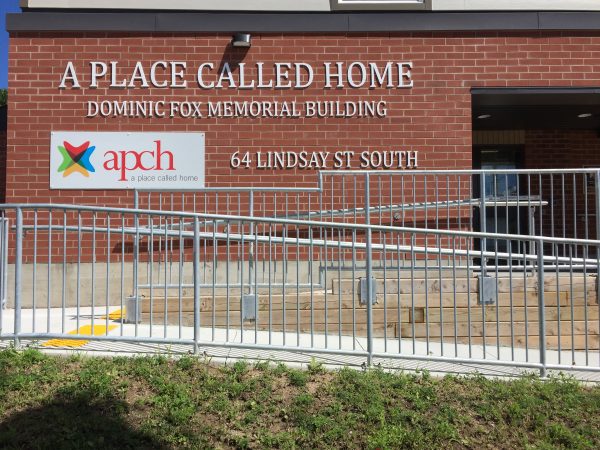
“A Place Called Home has a catchment area that extends through all of Kawartha Lakes and Haliburton County. While the physical shelter is in Lindsay, we often have folks seeking shelter from outside of the immediate area – Fenelon Falls, Coboconk, Haliburton, Minden, etc… Currently in the shelter we have folks from Minden, Norland, Cameron and Haliburton as well as from Lindsay proper,” said Nicole Bryant, executive director for APCH.
Bryant said when they get a call for an intake, staff must make a determination on if relocation of an individual to the Lindsay-based shelter is the most viable option.
“In some instances, folks may work in a certain area or have children in school in a certain district. For those cases, we may look at alternate solutions to help keep them in the area for a few weeks, while they work to resolve their homelessness issue. If someone does not have an immediate reason to remain in the area, and if shelter space is available, we will arrange transportation to bring them to the shelter,” Bryant said.
For those who do get relocated to Lindsay, the goal is to try and get them back into their community, with staff working to accommodate transportation needs for rental viewings and assist in their housing search.
“APCH does not have satellite offices in other communities, and so we coordinate with our community partners to provide supports when someone is experiencing homelessness outside of the Lindsay area and requires further assistance,” Bryant said.
Kawartha Lakes is set to present their 10-year Deeply Affordable and Supportive Housing Strategy (DASH) to council in the first quarter of 2027. The plan was built using data, community insight, and the region’s responsibilities under Ontario’s Housing Services Act. The aim is to make housing more affordable, and to decrease homelessness numbers.
“Housing is at the heart of quality of life in our region,” said Cheryl Faber, Kawartha Lakes director of human services, in a press release. “More people are struggling to keep a home, more families are feeling the impact of rising costs, and more community partners are stretched to respond. Housing is essential to health, well-being, and the strength of our community.”
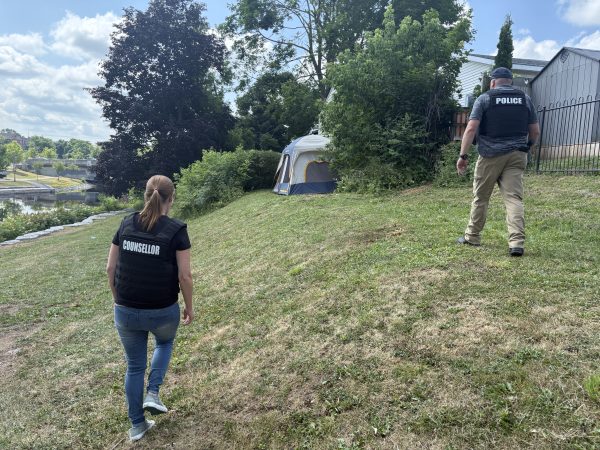
The city also has an encampment response team, that aims to get people off the streets. They work in Lindsay as well as in outside communities, like Bobcaygeon, Fenelon Falls, and Omemee.
Once they’re alerted to an encampment, the team works to visit the site within three business days where they engage with those at the encampment. The end result they hope for is an active relocation to a shelter or housing, resulting in the encampment being cleared.
“We encourage residents to report suspected encampments or other instances of unsheltered homelessness through our online reporting form so our team can reach out and connect people with the supports they need,” Corley said.
The city said that different departments are able to work together with an outreach team to find resolutions for those on the streets. These departments meet weekly to discuss and create plans for known encampments.
Additionally, the city has staff from a couple of departments (including representatives from their housing and homelessness prevention teams) who regularly attend the local situation table, ensuring that any instances of unsheltered homelessness through this community system become known to the team allowing them to initiate engagement through encampment protocol.