
Living with polar bears is a way of life in Churchill, Manitoba
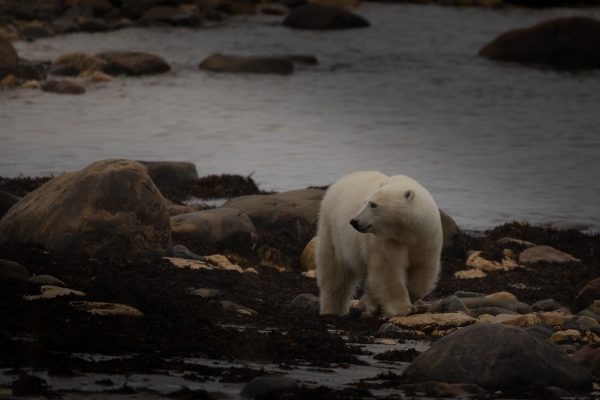
Imagine living in a town where you have to keep an eye out for polar bears on your way to the store, where children’s Halloween celebrations require a community-wide safety plan, and where a nighttime curfew helps keep residents safe. Welcome to Churchill, Manitoba, a remarkable northern community where people and the world’s largest land carnivores share the same landscape.
Churchill has approximately 900 year-round residents. Each autumn, around 600 polar bears gather waiting for Hudson Bay to freeze. The shoreline near Churchill is among the first areas of western Hudson Bay where sea ice begins to form, making it an important part of the bears’ seasonal migration. Residents recognize that their town occupies a landscape these animals have travelled for many generations before the town existed.

By October and November, many bears have gone months without a substantial meal. They survive on stored fat while waiting for sea ice, which gives them access to their primary food source: seals. Hungry bears are naturally tempted by the smell of food in town creating risks for both people and bears.
During my own five-night stay in Churchill, I experienced this reality firsthand. On three nights, I was woken by the sound of a shotgun as game wardens worked to scare a bear out of town. It was a startling reminder that, here, coexistence is not just a philosophy. It requires constant effort, even in the middle of the night.
Churchill has developed practical ways to keep people safe while protecting the bears. A 10 p.m. curfew helps limit people’s exposure during nighttime hours, when bears may wander through town. On Halloween, its all-hands-on deck where each adult monitors the town’s perimeter so children can safely enjoy trick-or-treating.
In Churchill, even a polar bear that repeatedly breaks the rules gets a second chance. Known as “polar bear jail,” the holding facility is where conservation officers take bears that refuse to stay out of town. These bears are safely captured and held up to four weeks, or until Hudson Bay freezes and the sea ice gives them access to their natural hunting grounds. They are then transported approximately 20 miles along the coast and released.
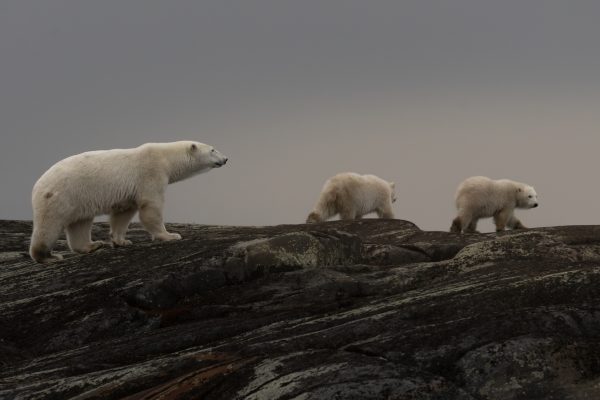
This isn’t a simple or inexpensive solution. It takes trained conservation officers, specialized equipment, transportation and considerable financial resources. Yet Churchill invests in giving these magnificent animals another chance. In many other parts of the world, a wild animal deemed a threat is killed.
Churchill demonstrates that, with commitment and resources, there can be another way.
The bears aren’t deliberately causing trouble. They are hungry animals following instinct and searching for food in a landscape they have travelled for generations. Churchill’s residents understand that keeping people safe is essential, but so is protecting the wildlife that makes their community extraordinary.
The bears have become a cherished part of Churchill’s identity. Residents protect them, respect them and recognize their place in the landscape. Polar bears also sustain the local tourism economy, providing livelihoods for guides and educators who help visitors understand these magnificent animals and the challenges they face.
We often talk about protecting nature, but protection requires more than words. It takes investment, education, patience and a willingness to adapt. Churchill demonstrates that people and wildlife can share a landscape when a community chooses respect over convenience and conservation over the easiest solution.
Perhaps the greatest lesson from Churchill is we do not have to remove wildlife from our world to live safely alongside it. Sometimes, we simply need to learn how to share it.
Have you seen something wild? If you’ve spotted interesting wildlife in the Kawartha Lakes area, please reach out, I’d love to hear about it. 705 879 9580 or .