Ward 2 incumbent and challenger both say infrastructure is a priority
Bobcaygeon-Kinmount ward one of the largest wards in the city
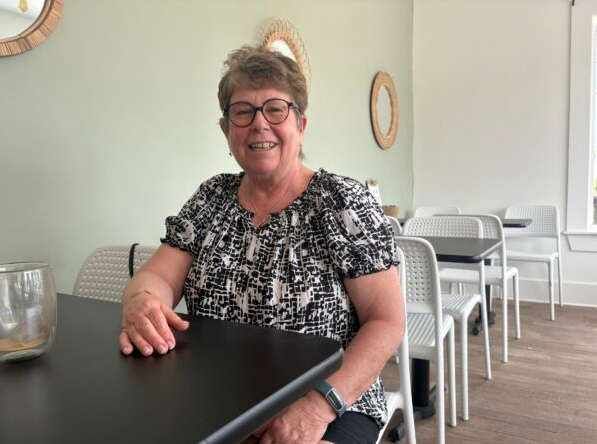
The condition of roads and the challenge of representing a large geographic area have emerged as key issues in the race for Ward 2’s council seat, with incumbent Pat Warren and challenger Terry Blackmore both pointing to infrastructure concerns and the need for stronger local representation ahead of the Oct. 26 municipal election.
Warren, who is seeking a second consecutive term as Ward 2 councillor, brings extensive municipal experience to the race, having served on previous councils before and after amalgamation.

Blackmore, a Burnt River resident and retired Air Force veteran, is seeking the Ward 2 seat after decades of community involvement and volunteer work.
Ward 2 sits in Kawartha Lakes’ north-eastern region. It includes the communities of Bobcaygeon, Burnt River and Kinmount.
Both Warren and Blackmore said improving road infrastructure should be a top priority, describing it as one of the most significant concerns they hear from residents across the ward.
“A lot of people are interested in roads because we have lots of them,” Warren said. “I served on the roads task force the last couple of years and we got results; we got greater input from residents on roads that needed fixing. We also improved the process to get faster action on the roads that need work.”
Blackmore said when he speaks with Ward 2 residents, “90 per cent of the time” poor road conditions are the No. 1 concern. Aside from damaged roads creating driving issues for residents, they can result in serious problems for emergency services responding to calls, he added.
“Our fire department (and) our ambulances travel these roads; if you call 9-1-1 because you’re having an emergency, seconds count, seconds make a difference,” Blackmore said.
Aside from roads, both candidates said the size of Ward 2 presents challenges when it comes to ensuring residents feel represented on council.
Warren said Wards 1 and 2 are too large geographically and believes council should consider adding another northern ward to improve local representation.
“I feel there needs to be an extra northern ward,” she said. “I will be talking with local residents over the summer to see what they think.”
Blackmore said many residents in the northern part of Ward 2 have told him they feel isolated.
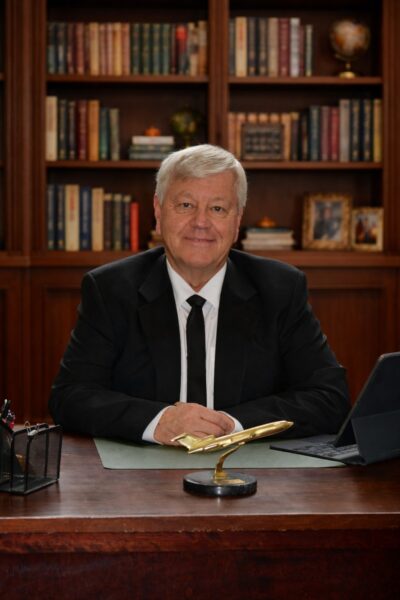
“For a lot of folks in the northern end of Ward 2, they don’t feel represented, they feel like they’re kind of forgotten,” he said.
Warren highlighted several issues she said have been priorities for her during her time on council, including health care, affordable housing and composting.
She noted that health care is one of the most important issues facing Kawartha Lakes, and it’s something she helped make a priority in her first term as a councillor.
“I have helped get results on health care in our communities, including the new clinic in Coboconk and doctor recruitment,” Warren said. “I really think
this is a big improvement because we need to (enhance) medical access for our residents (as Kawartha Lakes grows).”
If elected, both Warren and Blackmore said the top priorities of Ward 2residents will be championed by the candidates.
Warren said her experience in civic politics would serve residents well. “I have experience, I am open to conversation, I’m accessible and I’m a community supporter,” she said.
Blackmore said his decision to seek the Ward 2 seat comes from his connection to the community and a desire to continue giving back.
Blackmore, who grew up in Burnt River, joined the Air Force in 1978 and also worked in construction and aviation before returning to Ward 2 to retire.
He has also donated time to community causes, and has served as a volunteer with the Coboconk legion, the Burnt River Somerville Community Centre, and is an active member of the Kawartha ATV Association.
He said his approach as councillor would be focused on being accessible to residents and responding to their concerns.
“I am a pretty hands-on fellow; I’m not afraid to come to your door if you want to talk,” he said. “If you call me, I will call you back. If you call me with a problem, I will own that problem until it’s resolved or until I can happily pass you on to someone else who can solve that problem.”

Ward 2 will be an interesting race to watch. I think the idea to add an extra northern ward is a good one.
Claims that Ward 2 can simply be carved into two standalone wards ignore both basic math and provincial law. Under Section 222 of the Municipal Act, ward boundaries must maintain voter parity across the entire municipality. Splitting Ward 2 in isolation would create severe population imbalances everywhere else, needlessly dragging Kawartha Lakes back to a bloated 16-ward council.
The real realignment will happen in Lindsay. With 90% of new housing development driving Wards 5 and 7 population toward 15,000 to 16,500 residents each by 2030, rural wards will sit at nearly half that size. A system where a rural vote carries twice the weight of an urban vote is democratic inequality that cannot legally stand. Once 2026 Census data arrives in 2027, Council will be legally obligated to adjust boundaries and push a third ward into Lindsay before the 2030 election—or early in the following cycle.
This mandatory review also creates a timely opportunity to fix how we represent our small-town hubs. Fenelon Falls and Bobcaygeon share identical urban challenges—water and wastewater capacity, aging bridge infrastructure, downtown parking, and commercial zoning—that differ completely from agricultural priorities. Unifying Fenelon Falls, Bobcaygeon, and the connecting corridor between into a single, primarily urban ward would give these communities a dedicated voice focused on town needs, while freeing rural councillors to concentrate on farming and rural issues.
The future of local governance lies in combining rural with rural, and urban with urban. Realigning Kawartha Lakes into four primarily urban wards (three in Lindsay plus one for Fenelon/Bobcaygeon) and four primarily rural wards guarantees equal representation for Lindsay while ensuring Fenelon Falls and Bobcaygeon aren’t left behind. Crucially, a dedicated urban councillor for Fenelon and Bobcaygeon could partner with Lindsay’s three urban councillors to form a powerful four-member coalition. This block could finally bring greater accountability to municipal spending, addressing the ongoing flow of urban tax dollars used to subsidize extensive low traffic rural road networks and fire capital budgets where urban taxpayers are funding 30% of every fire truck in all 19 fire stations, but served by only 4 fire stations (Lindsay, Ops, Fenelon, Bobcaygeon). Roads and Fire Services should be area rated between rural and urban.
Fenelon Falls faces lingering bridge concerns and urgent wastewater treatment pressures; grouping it with Bobcaygeon under a dedicated urban advocate would bring faster, more focused resolutions to these shared town issues. With major investments in municipal water and sewer, both hubs have immense development potential ahead. As Lindsay, Fenelon Falls, and Bobcaygeon anchor the three corners of Sturgeon Lake, this triangle Sturgeon Lake will continue to drive growth across Kawartha Lakes.
A third Lindsay ward might spark initial pushback, but equal voting power, fair tax distribution, and focused infrastructure planning aren’t controversial—they are the very foundation of local democracy. Lindsay, Fenelon Falls and Bobcaygeon need to partner to address urban centric issues.