
We need clear rules and enforcement on e-bikes
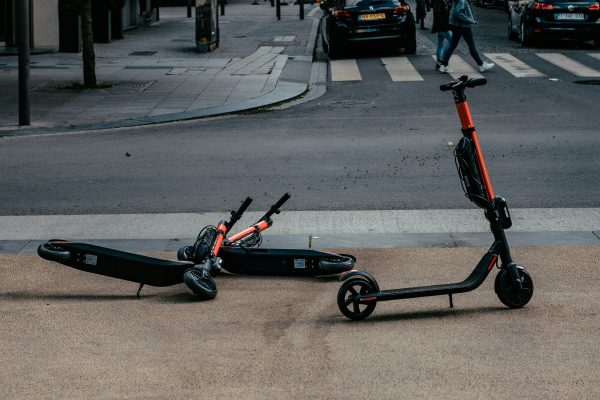
There’s a lot to like about e-bikes, and their relatives e-trikes and e-scooters. They free people from dependence on cars, they don’t emit greenhouse gases and they encourage exercise for people who might find regular cycling hard.
While many people ride their e-bikes safely and respectfully on local trails and roads, users who aren’t so responsible are a growing problem.

No matter where you live in Kawartha Lakes, you’ve probably seen an e-bike travelling roads at surprisingly high speeds. Maybe you encountered an e-trike rider casually pedalling along a village sidewalk, or a tween on a scooter whizzing by on a country road. Some riders wear helmets; many don’t.
Legislation and enforcement haven’t quite figured out how to approach the zone they inhabit between motorized vehicles like cars and motorcycles and self-powered traditional bicycles or scooters. For instance, e-bikes are legally allowed to reach speeds of 32 km/h, and yet riders don’t have to have a licence.
Anyone is permitted to buy any of these devices. The province says that to ride an e-bike with two or three wheels, you must be 16 or older, follow the same rules as other cyclists, wear a helmet and keep the e-bike in good shape. E-bike riders are supposed to follow the same rules as other cyclists, meaning they can’t be on sidewalks and have to respect traffic laws.
There are even fewer details when it comes to e-scooters. The province is running a pilot program to see whether these devices should be allowed to operate on public roads. The program started in 2020 and runs until 2029, but of 400 Ontario municipalities, only 20 have opted in. Kawartha Lakes is not one of them.
Police must be frustrated that e-scooters can be sold anywhere, even if they’re not legal for use in that community. Emergency room doctors are sounding the alarm; in 2025, 10 young people died in e-scooter crashes in Canada. Of those, six were in Ontario. SickKids in Toronto is seeing three to five e-scooter-related injuries every week, many of them involving fractures and spinal or even brain damage.
The potential for harm to riders and bystanders, as well as the trauma for drivers of other vehicles involved in crashes with e-bikes and e-scooters, should be prompting ticketing and stiff fines. But police from both local services are often busy with other demands, and being in the right place at the right time to catch an e-rider in the middle of an infraction isn’t always possible.
As electric devices for personal transportation become increasingly popular, the provincial government needs to set clear rules and strict penalties to keep users and those around them safe.