When the lights go out: Is your household ready?
The 2025 ice storm showed why emergency preparation starts with everyday needs — and the people around you.
Many Kawartha Lakes residents don’t have to imagine a long power outage. They lived through one.
Freezing rain brought down trees and power lines across the municipality in late March 2025. The city declared a state of emergency on March 31. By April 6, Hydro One reported about 20,000 customers still without power in and around Kawartha Lakes.

An outage like that turns everyday routines into urgent questions. How will you prepare food, get water or keep warm? Who needs checking on, and can you reach them?
The city recommends knowing your risks, making a plan and keeping supplies for at least 72 hours.
Three days is a starting point, not a promise. The 2025 storm showed that an emergency can outlast a 72-hour kit.
Start with your home
Before buying supplies, think about what stops working without electricity: heat, cooking equipment, a well pump, an elevator or medical equipment.
A rural household may need a water plan when its pump can’t run. Municipal water can also be affected: during the storm, the city issued drinking water advisories after pressure dropped.
Write down the gaps. Who could help? Where could you go if home became unsafe? What would you take?
If you rely on powered medical equipment or refrigerated medication, discuss a backup plan with your equipment provider, pharmacist or care team.
Build supplies you can use
- Start with the essentials:
- Non-perishable food and a manual can opener
- Water
- Medication and a first-aid kit
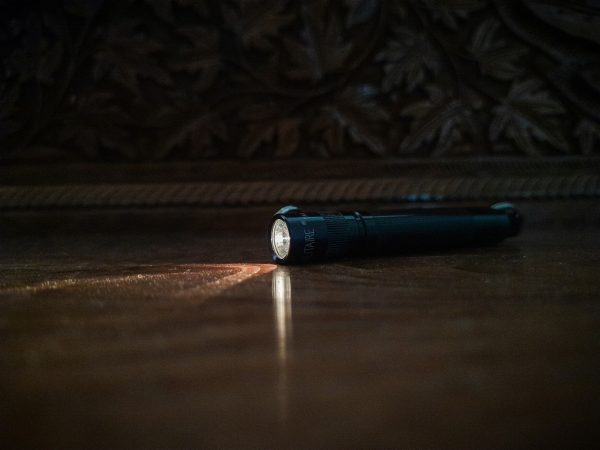
- A flashlight, battery-powered or crank radio, and extra batteries
- Important documents, contact numbers and some cash
- Plan for about 4 litres of water per person per day for drinking, cooking and sanitation — 12 litres each for three days.
Choose food you can prepare without power and that meets your household’s dietary needs. Include supplies for children and pets, including pet medication, a leash or carrier and records.
Keep everything accessible and make sure household members know where it is.
You don’t need to buy it all at once.
Add items gradually, review the kit annually and rotate supplies before they expire. Ask your pharmacist how to store and replenish your medication supply.
Use backup power safely
A generator can help, but improper use can cause carbon monoxide poisoning. Provincial police said two residents of neighbouring Trent Lakes and their pets died of suspected poisoning during the 2025 storm.
Health Canada says to operate fuel-burning generators outdoors, at least six metres from buildings. Keep them away from doors, windows, vents and air intakes. Never run one in a home, garage or shed. Keep barbecues and fuel-burning camping stoves out of enclosed spaces, too.
Shut the generator off and let it cool before refuelling.
Connect a generator to household wiring only through an approved transfer system installed by a qualified electrician. Never plug it into a wall outlet: this can send electricity back into power lines and kill workers repairing them.
Install carbon monoxide alarms on every level and outside each sleeping area, and test them. If an alarm sounds or you suspect poisoning, get everyone outside immediately and call 911 from outside.
Plan for leaving and staying
Discuss what you would do if you had to evacuate or stay home without power. Choose a meeting place and consider transportation, medication, documents and pets.
Keep important numbers on paper:
- Emergencies: 911
- City after-hours line: 1-877-885-7337
- Hydro One outages and downed lines: 1-800-434-1235
Sign up for municipal updates at kawarthalakes.ca/subscribe, choosing the News and Weather and Emergency categories. A battery-powered or crank radio provides another information source if internet or cellular service is unavailable.
Include the people around you
Limited money, storage, mobility or transportation can make preparation harder. Start with what’s possible: organize information, identify someone you can call and discuss the help you might need.
Ask whether a neighbour living alone, a relative with limited mobility or a friend without a vehicle would welcome a check-in arrangement.
During the storm, community paramedics offered to check on vulnerable residents at the request of family or friends. Not everyone has someone to ask on their behalf. Agree on a plan rather than assume someone else will make contact.
One evening is enough to begin. Find the flashlight. Check the batteries. Talk through your plan.
Then speak to the neighbour you’d want to hear from if the lights stayed off.